
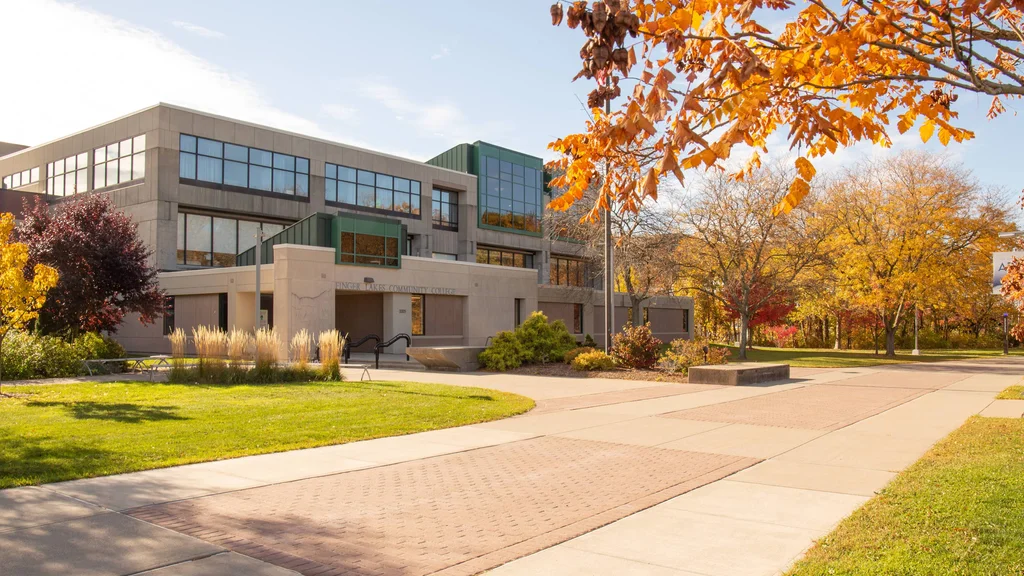
Case Study: XR in the classroom for smarter human anatomy training at FLCC
At Finger Lakes Community College, Professor Christine Parker introduced the HoloAnatomy® mixed reality platform to overcome barriers like limited lab access and tight student schedules. With immersive 3D models and collaborative learning, students showed higher engagement, stronger performance, and better retention, proving that XR can transform anatomy education, even on a budget.
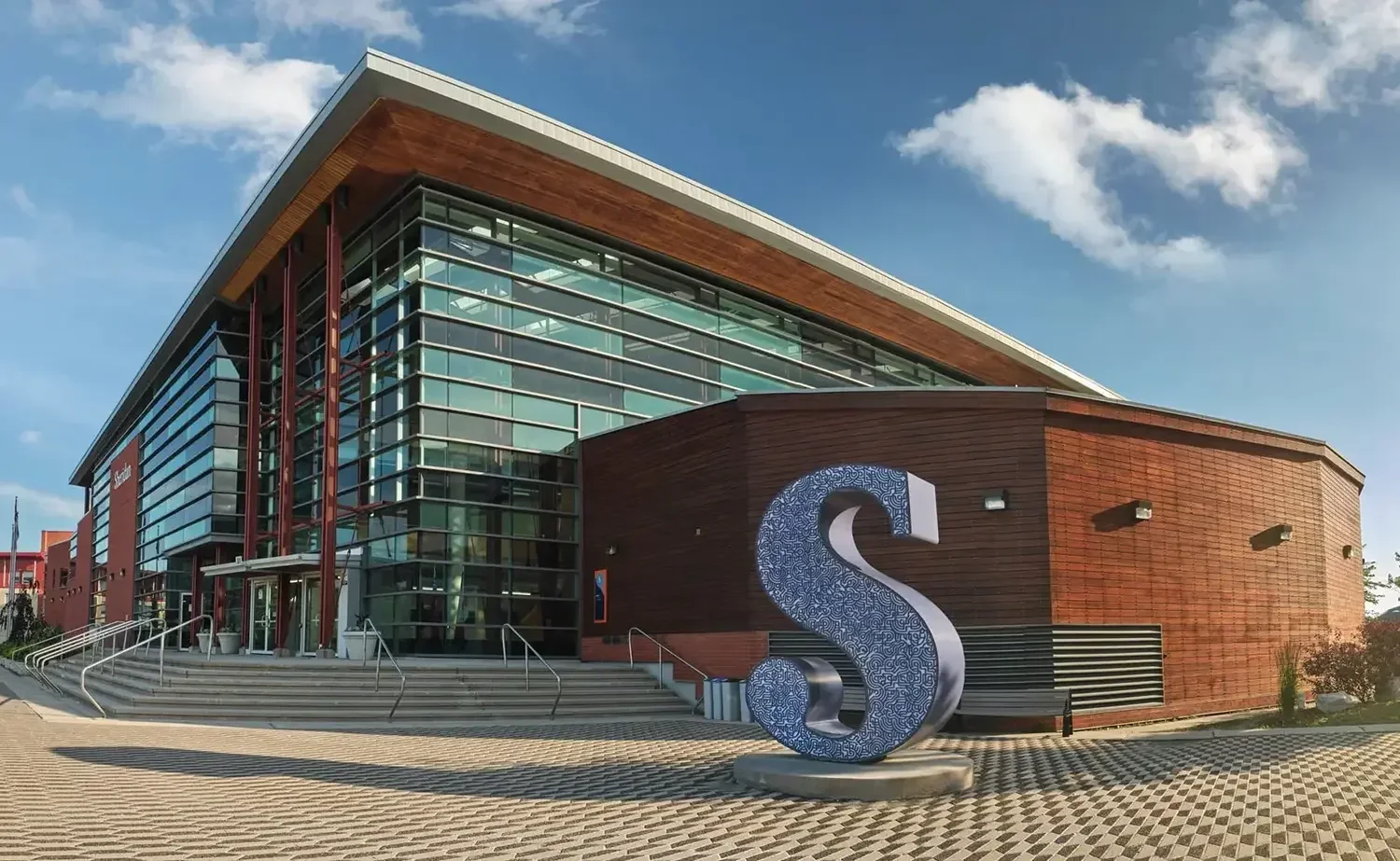
Case Study: Sheridan College becomes first Canadian institution to reinvent anatomy education with HoloAnatomy learning platform
Sheridan College transformed anatomy and physiology education by integrating HoloAnatomy®, giving students immersive 3D anatomy models for deeper learning, engagement, and improved clinical readiness.

Sheridan first in Canada to invest in pair of innovative nursing education technologies
HoloAnatomy® Learning Platform has been integrated into curriculum of the Practical Nursing diploma and several other programs in Sheridan’s Faculty of Applied Health and Community Studies. HoloAnatomy’s 3D mixed reality software uses holographic imagery to display structures and systems in the body — including difficult-to-see anatomy such as the diaphragm, nervous and circulatory systems — to better support students in challenging courses such as anatomy and physiology. In addition to engaging learners through the ability to move, collaborate and interact with each other, HoloAnatomy provides a more sustainable alternative to the use of cadavers, which are extremely costly to house and preserve.
Partner Story: Sheridan College
When you first put on the lens, you're struck by the detail and the ability to engage with the model in front of you. It stimulates questions. It sparks intrigue. It enables you to customize what you’re looking at and switch to something else on a dime. And that level of flexibility—from a teaching and learning perspective—is the way of the future and ahead of its time.